
Elite performance data, in your pocket.
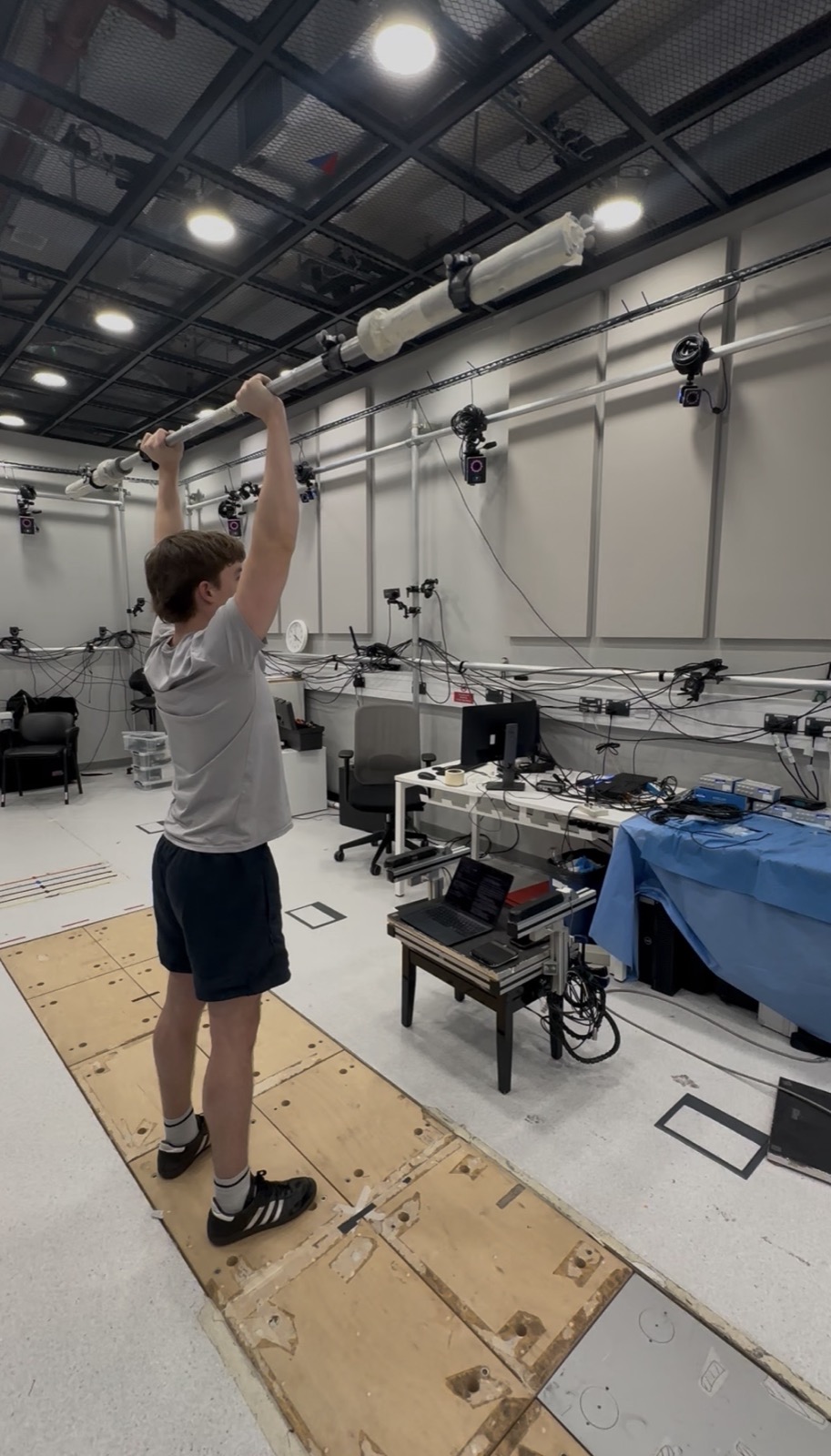
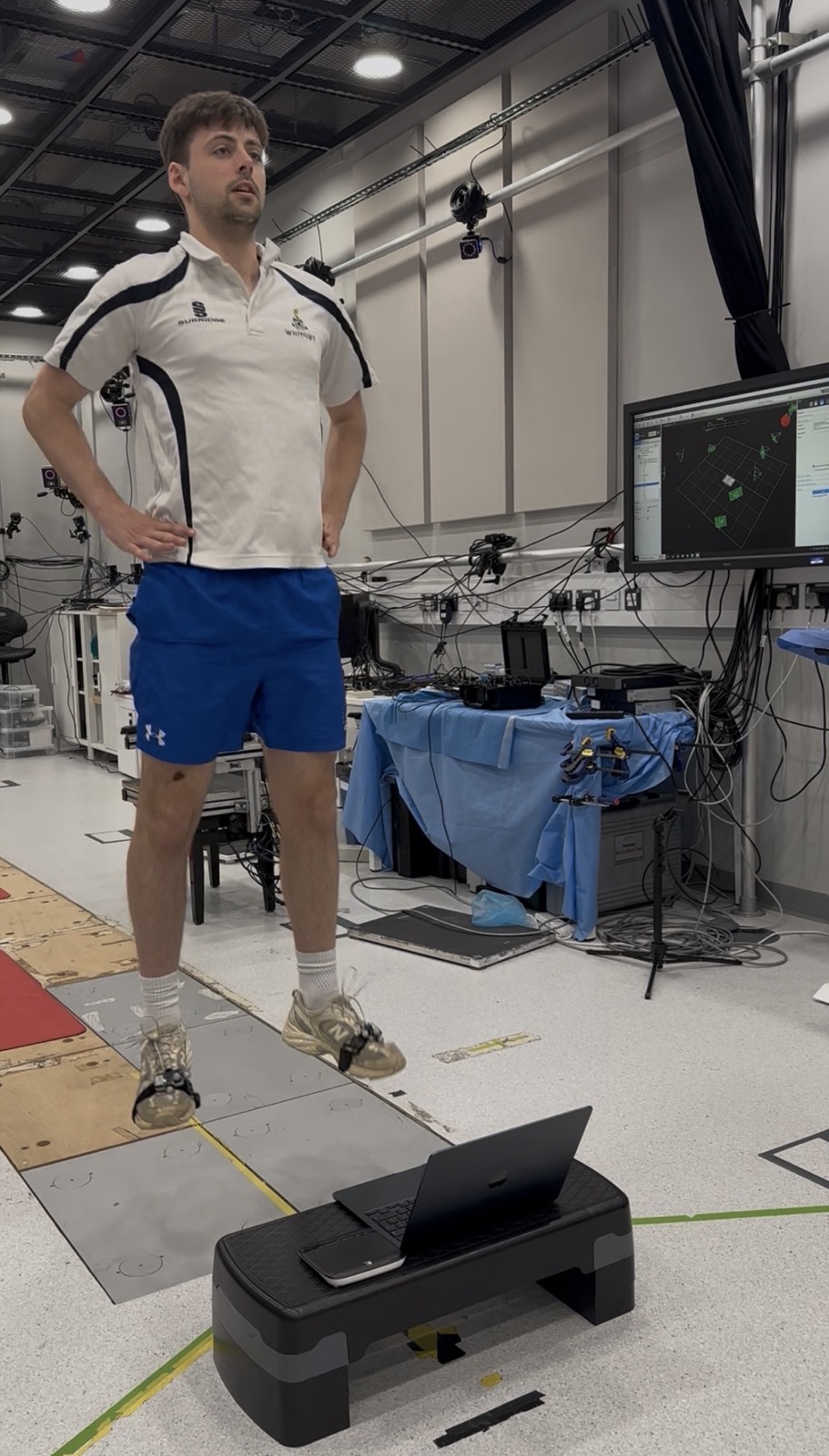
Tested in the biodynamics labs at Imperial College London and St Mary’s University, Twickenham.
Education
What is velocity-based training?
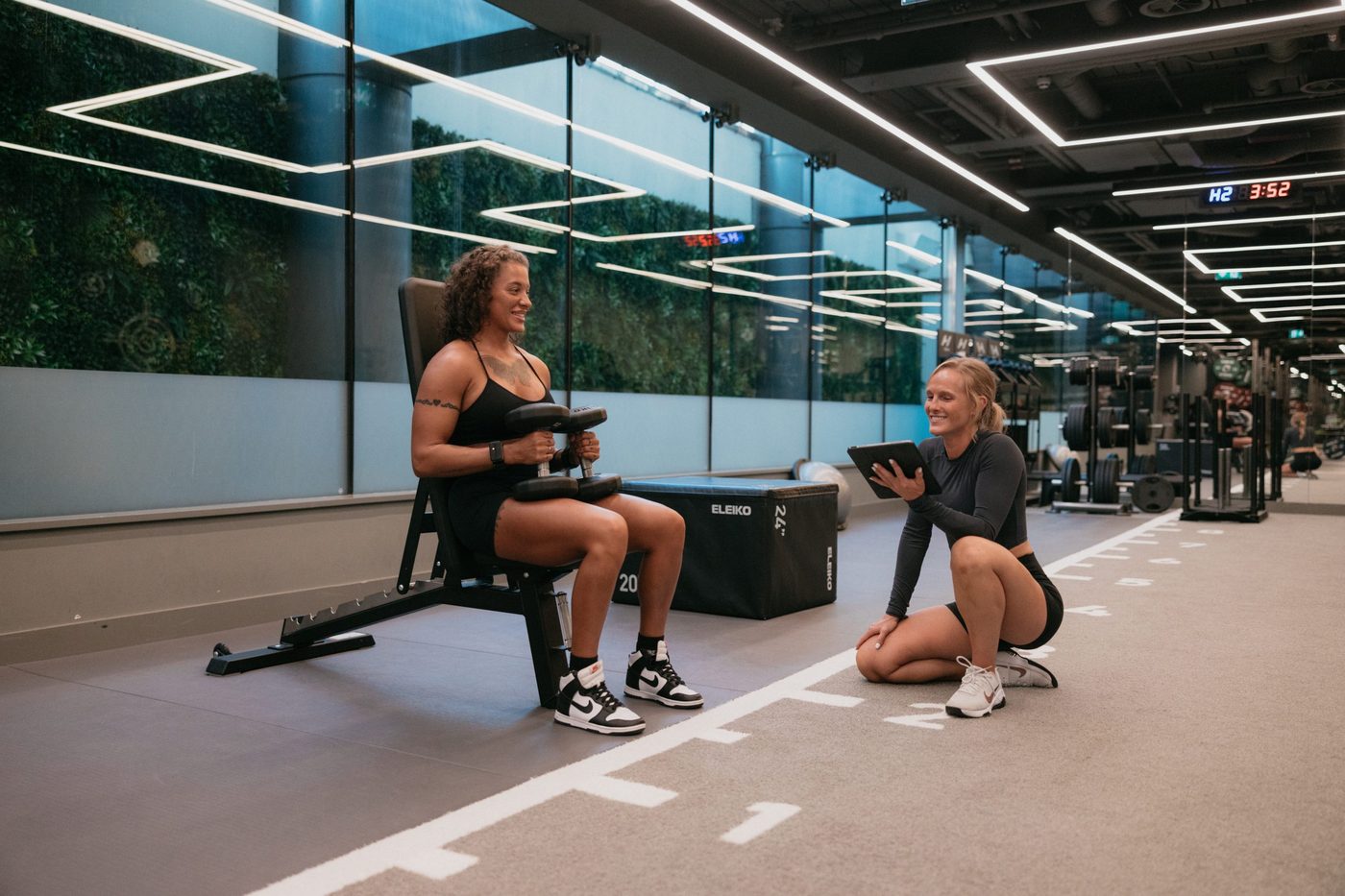
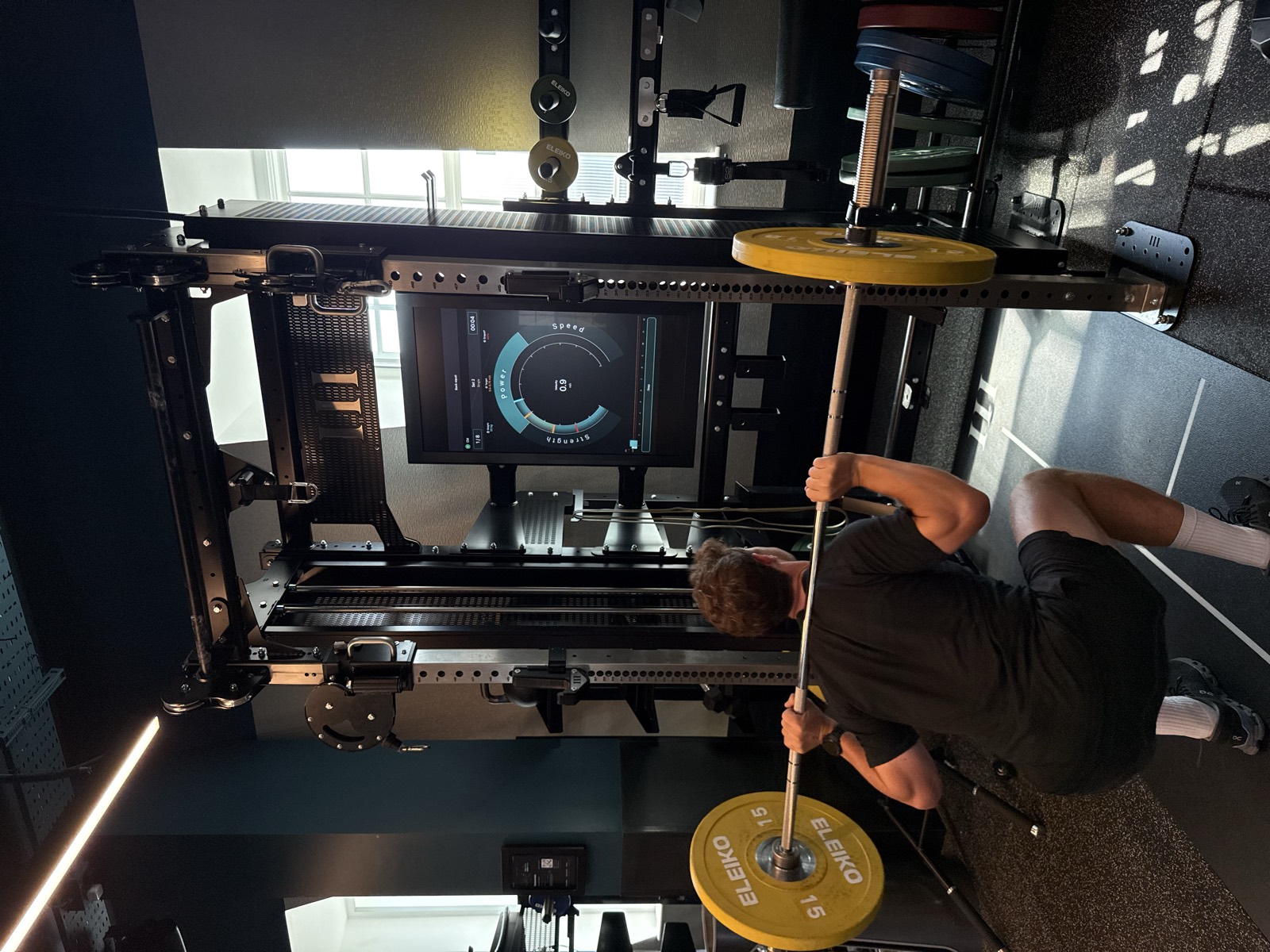
Simply, velocity-based training (VBT) is a data-driven approach to weight training that uses bar speed to guide decisions about load. Depending on your training goals, your target velocity zone will be different. For example, to increase maximal strength, you want to be lifting heavier (80-90% of your one rep-max) at a slower speed. To increase power, you want to be lifting lighter and more explosively.
The principles of VBT
Lift with maximal intent
Velocity-based training relies on the athlete lifting with the intention of moving as fast as possible, while of course keeping good form. This is crucial to get the most out of load auto-regulation.
Load auto-regulation
Your body's readiness to train fluctuates daily. VBT adjusts your load to match you. Dropping below the target zone is a sign you need to reduce your load - lifting faster means you are primed to lift more!
One rep max predictions
Using velocity-based training data, you can accurately predict your one rep max without having to attempt it. The REMAKER app has a 1RM test that walks you through this process!
Validation
The data, broken down.
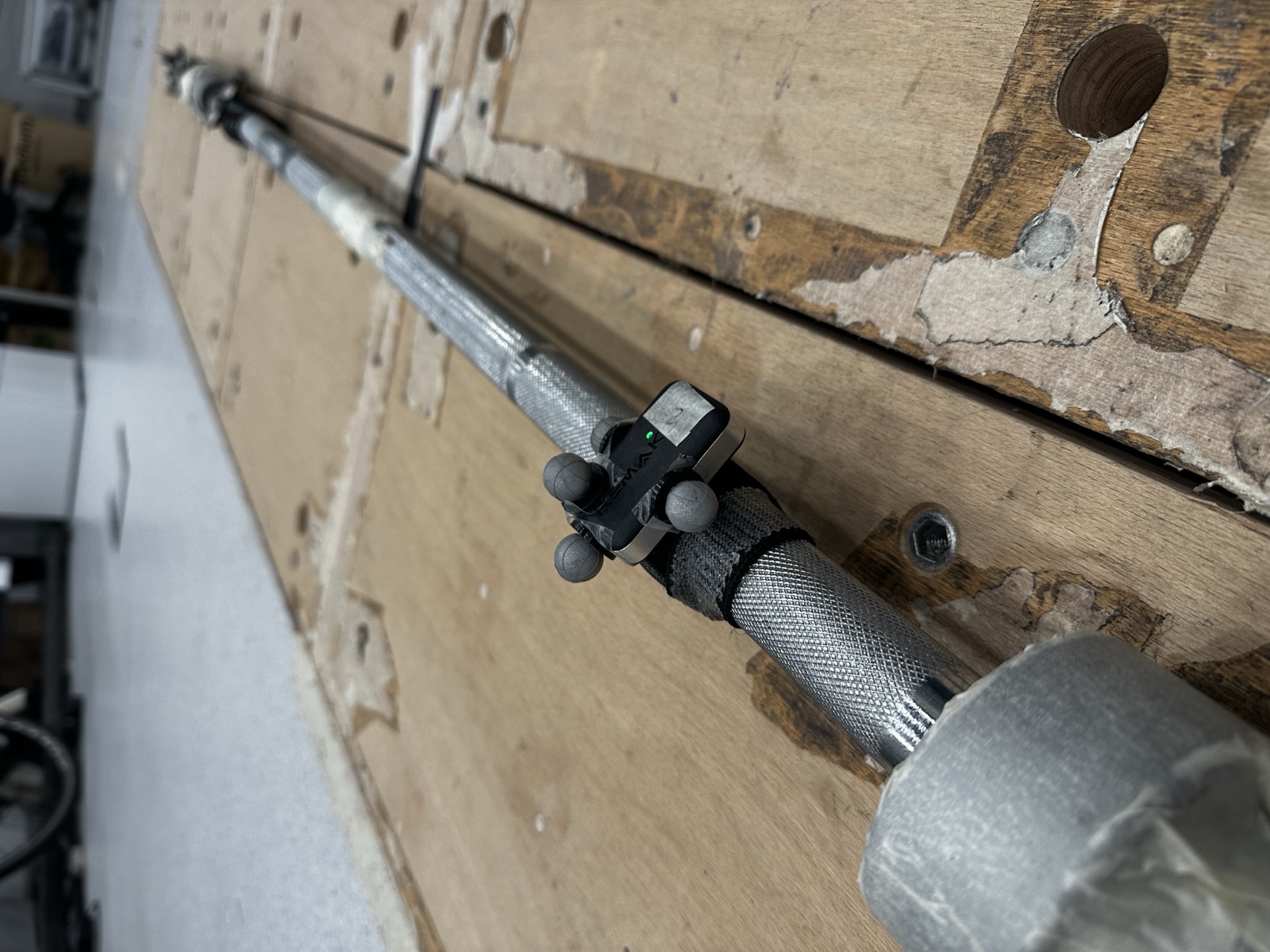
Confidence in your performance is built on trust, and trust is built on accurate data. So we tested MOVE against VICON 3D motion capture and Kistler force plates in the biodynamics labs at Imperial College London and St Mary's University, Twickenham. We tested LINK against an industrial strain gauge. Each plot below shows the REMAKER readings on one axis and the lab readings on the other. The closer the r number is to 1, the better the correlation is between the two readings, meaning greater accuracy of the REMAKER data.
3,810
Reps tested
We tested squats, Romanian deadlifts, barbell bent over rows, military presses, CMJs, drop jumps, pogo jumps, and several range-of-motion exercises.
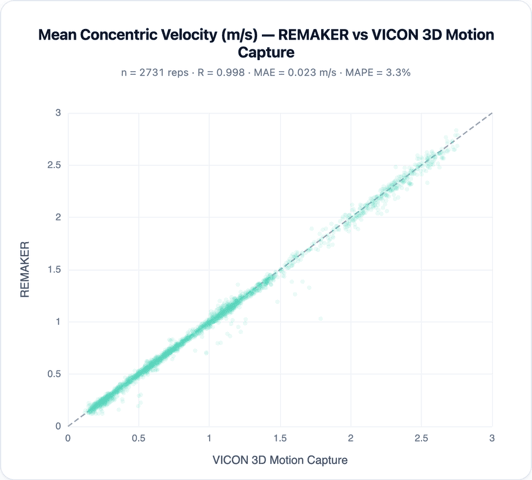
Mean concentric velocity
REMAKER MOVE vs VICON 3D motion capture
- n = 2,731 reps
- r = 0.998
- R² = 0.996
- MAPE 3.3%
What this means
Across 2,731 reps of squat, Romanian deadlift, bent-over row and military press, MOVE tracks bar velocity in near-perfect lockstep with optical motion capture.
Case Studies
In their own words.
Athletes, coaches and practitioners on what changes when lab-grade data lives in the kit bag, and how MOVE and LINK slot into real training programs inside elite sport.
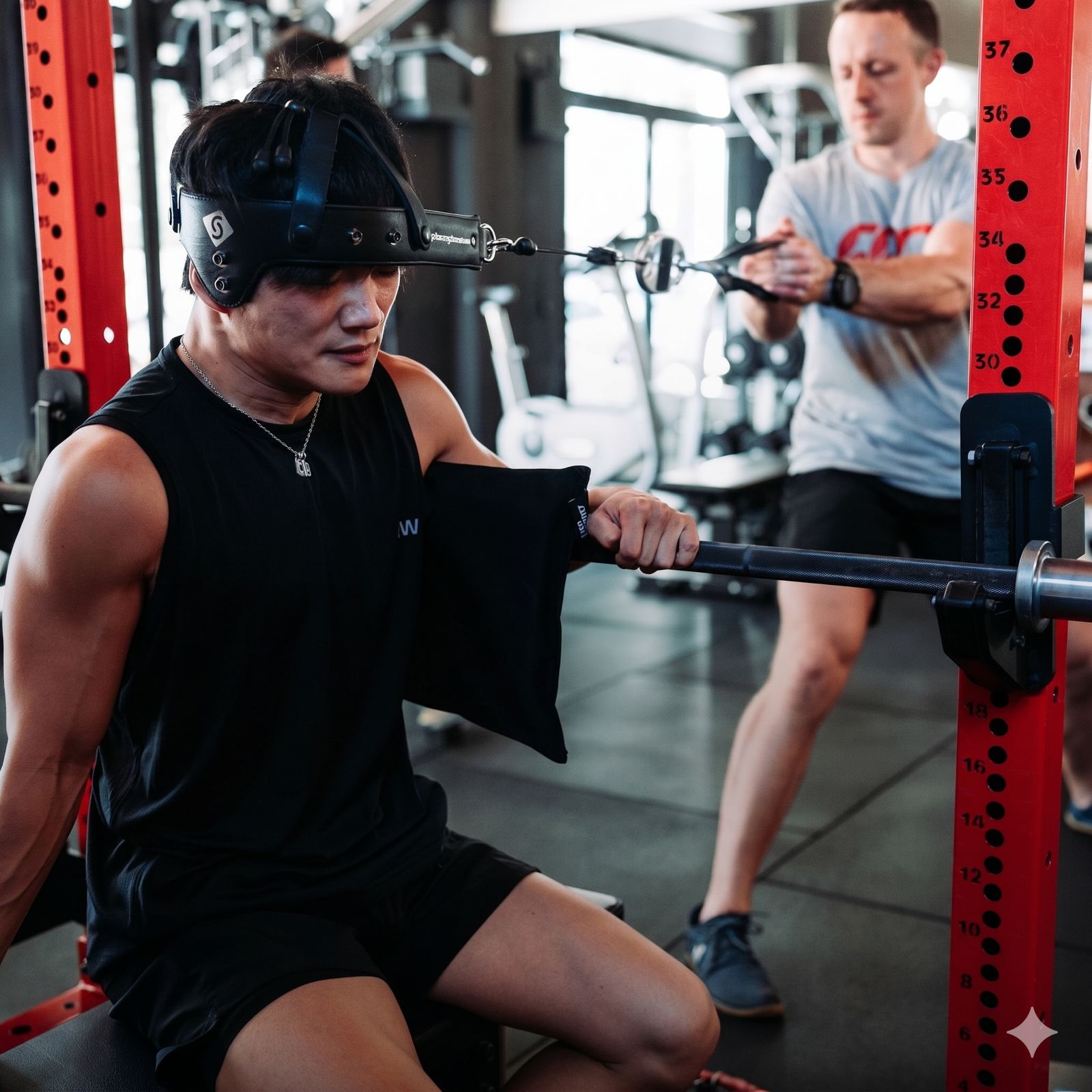
Most athletes start with REMAKER MOVE which covers free-weight, bodyweight and jump exercises. Add LINK when you want to capture tension and isometric output (cables, bands, IMTP). Operators usually run both for the full ecosystem
From the blog
Recent stories.
How teams, clinicians and athletes are putting REMAKER to work - and the science behind it.
See all stories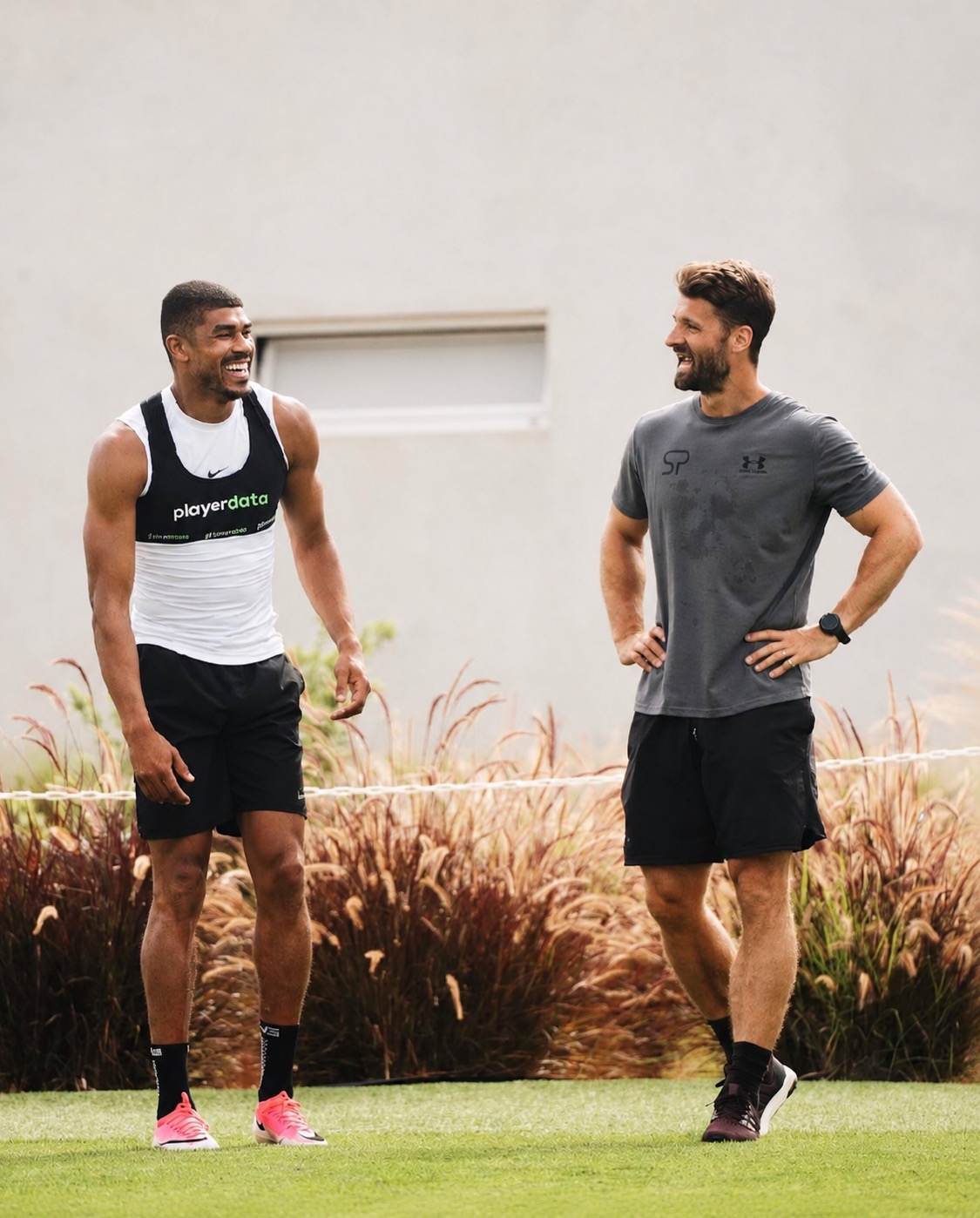

More on the way
Got a story to share?
We're always adding to the library. If you're using REMAKER with your team or athletes and would like to feature, get in touch.